








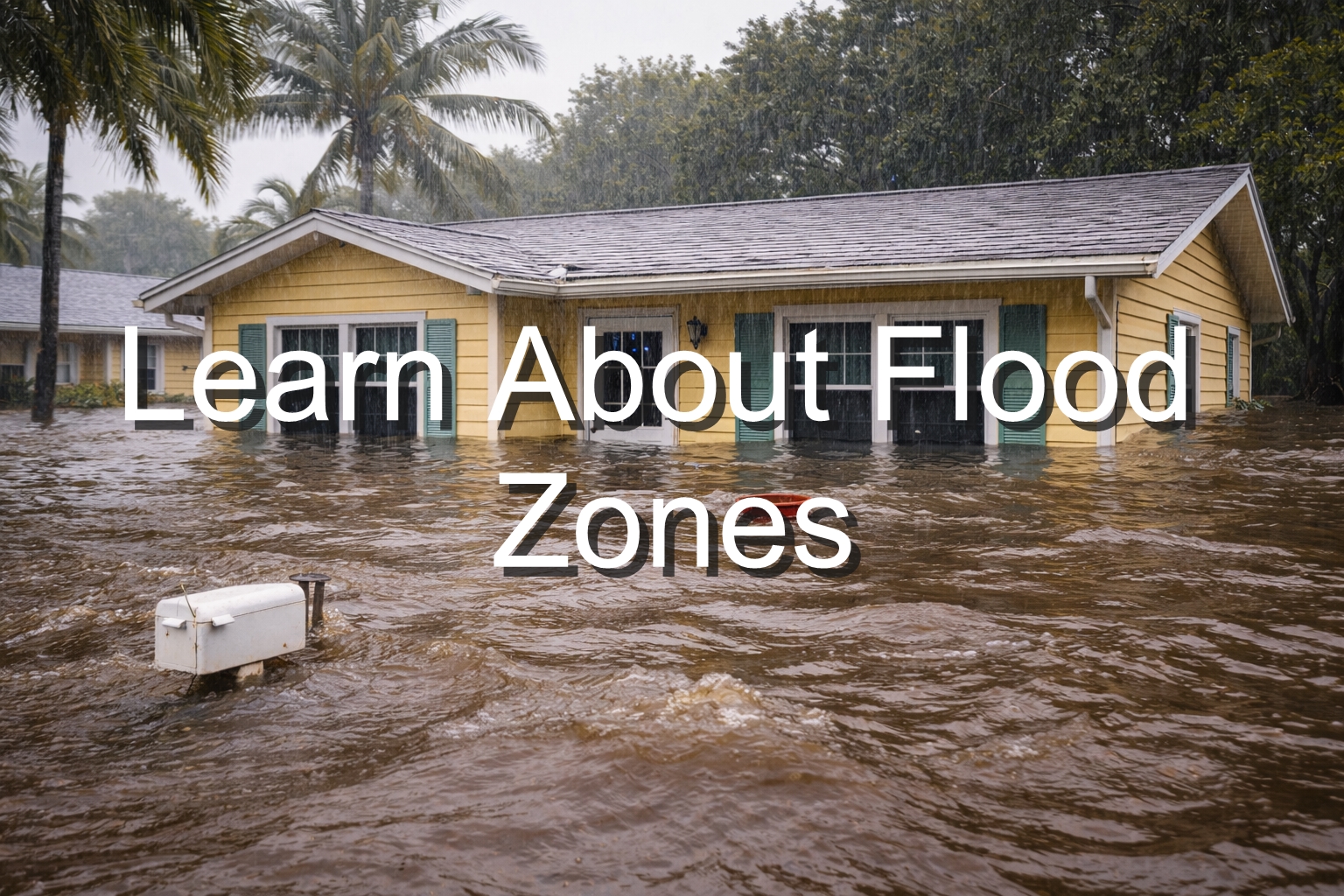






Learn About Flood and Storm Surge Zones
Did you know that your property could be in a STORM SURGE ZONE, but not in a Flood Zone? Learn about the difference here.
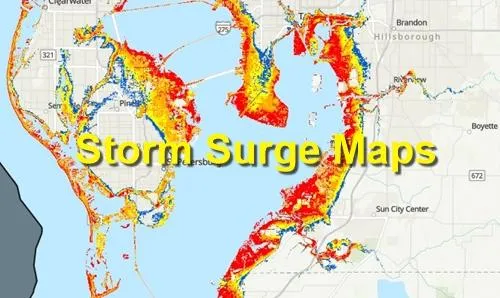
Storm Surge Map Notes:
This is BIG map. Best accessed via a desktop computer. There is no address lookup, select the 'US East and Gulf Coast' and manually zoom into the area that you wish to evaluate.
If you zoom in too tight, the Storm Surge overlay map will disappear, so gradually zoom back out until the Storm Surge overlay map re-appears.
At the top of the screen, select the strength of the storm to see the estimated storm surge.
About Storm Surges
A Storm Surge is a rise in sea level that occurs during tropical storms and hurricanes. The storms produce strong winds that push the water into shore, which can lead to flooding. Typically the water recedes quickly after the storm passes, but by that time the damage is already done.
You can be in a storm surge area (most coastal Florida homes are) without being in a flood zone. Use the FEMA Storm Surge Map to zoom into the area where your home is located, and then you can simulate the storm surge effect based upon the category of storm. If you are not in a flood zone, but are concerned about the possibility of a storm surge, you can purchase flood insurance which typically costs less than $1,000 per year for an average 3 bedroom, 2 bath, 2000 square foot home.
About Flood Maps
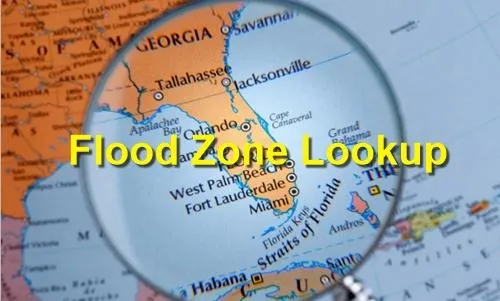
Everyone lives in an area with some flood risk—it’s just a question of whether you live in a high-risk, low-risk, or moderate-risk flood area. Flood zones are indicated in a community’s flood map. Use the FEMA Flood Zone Maps and enter your address to find out if you are in a Flood Zone. Each flood zone describes the flood risk for a particular area, and those flood zones are used to determine insurance requirements and costs.
Flood Zone Designations
Lenders Do Not Require Flood Insurance:
Zones beginning with:
X, B, or C
Lenders Require Flood Insurance:
Zones beginning with A or V
Flood maps, known officially as Flood Insurance Rate Maps, show areas of high- and moderate- to low-flood risk. They are shown as a series of zones. Communities use the maps to set minimum building requirements for coastal areas and floodplains; lenders use them to determine flood insurance requirements. FEMA uses FIRMs to help determine what you should pay for flood insurance. FIRMs are available to the public free of charge through the FEMA Flood MapService Center at https://msc.fema.gov/portal.
Special Flood Hazard Areas are high-risk areas. They are shown on the flood maps as zones beginning with the letters 'A' or 'V.' There is at least a 1 in 4 chance of flooding during a 30-year mortgage in high-risk areas. All home and business owners in high-risk areas with mortgages from federally regulated or insured lenders are required to buy flood insurance.
Non-Special Flood Hazard Areas are moderate-to-low risk areas. The risk of flooding is reduced, but not completely removed. Moderate- to low-risk areas are shown on flood maps as zones beginning with the letters 'B', 'C' or 'X' (or a shaded X). These areas submit more than 20 percent of National Flood Insurance Program claims and receive one-third of federal disaster assistance for flooding. Flood insurance isn't federally required in moderate- to- low-risk areas, but it is recommended for all property owners and renters.
Some flood maps also include areas where there are possible but undetermined flood hazards or unstudied areas. These areas are shown on flood maps or areas beginning with the letter 'D.'
Flood insurance rates reflect the uncertainty of the flood risk.
NFIP is administered by FEMA, which works closely with more than 80 private insurance companies to offer flood insurance to homeowners, renters, and business owners. Flood insurance is available to homeowners, renters, condo owners/renters, and commercial owners/renters. Costs vary depending on how much insurance is purchased, what it covers and the property's flood risk. In order to qualify for flood insurance, the home or business must be in a community that has joined the NFIP and agreed to enforce sound floodplain management standards.